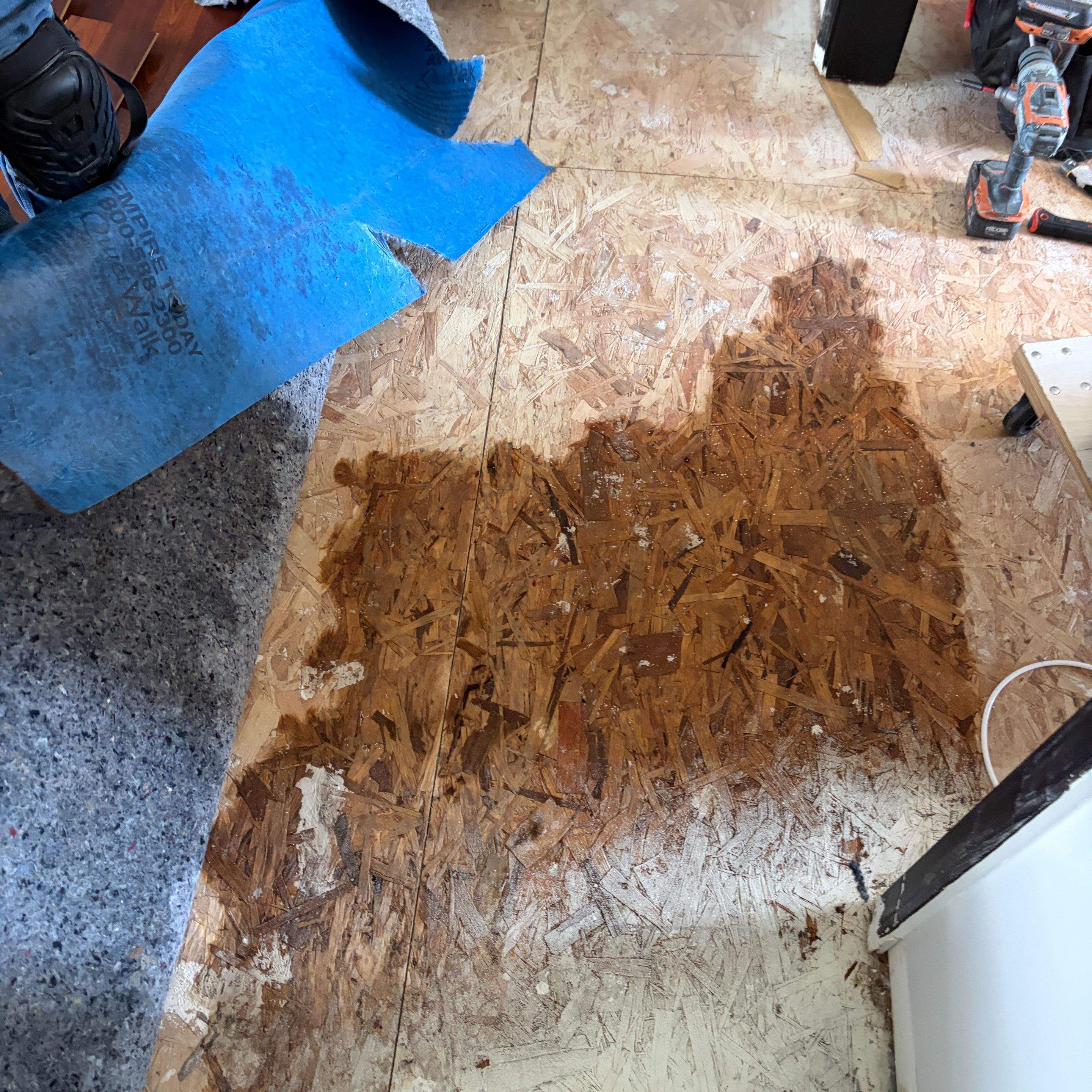
Does Homeowners Insurance Cover Water Damage in Clay City?
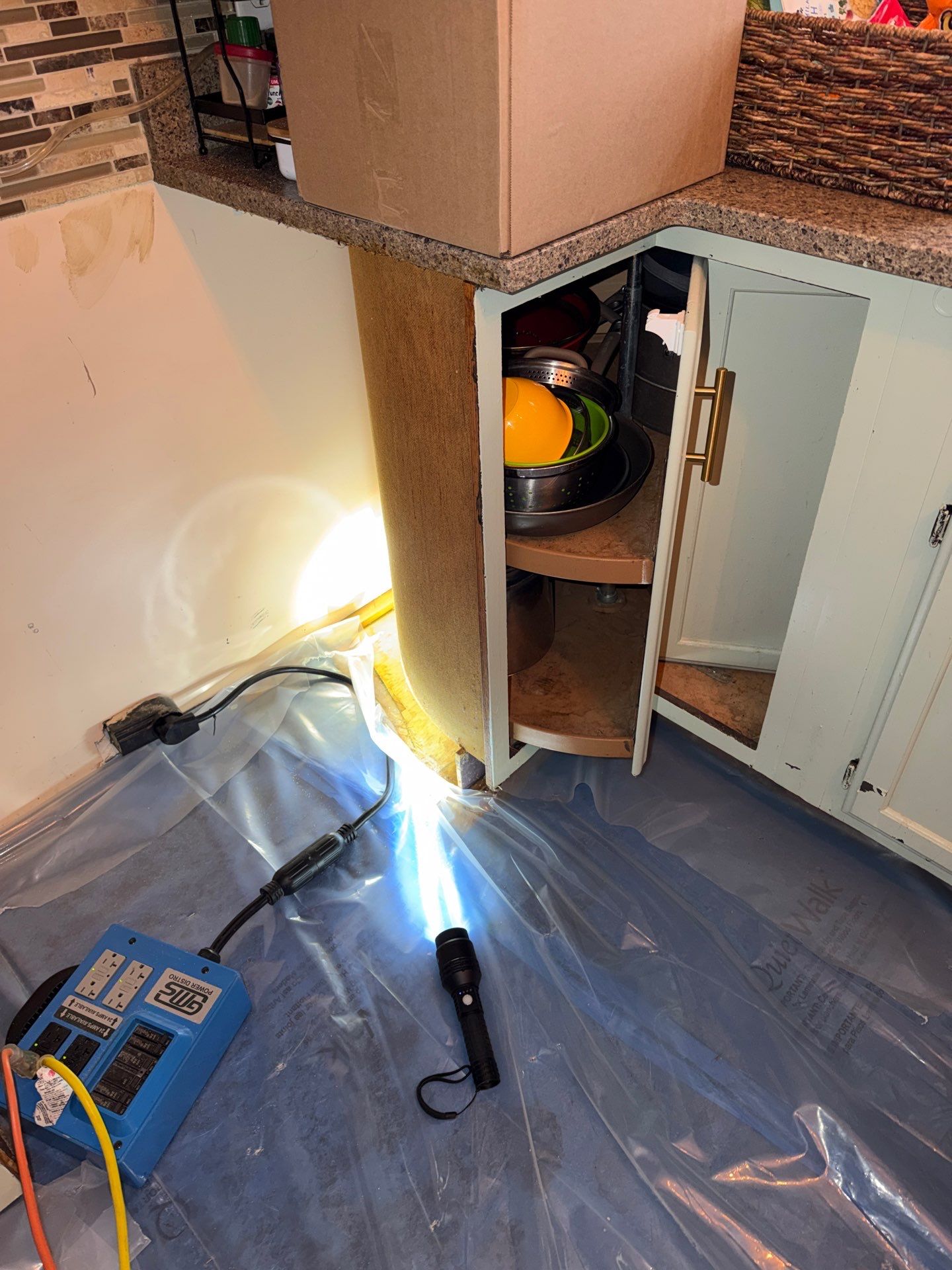
The first call we got from a Clay City homeowner last winter came in around 6:40 a.m. Her husband had gone downstairs to grab coffee and found two inches of water spreading across the finished basement. A supply line under the kitchen sink had given out sometime overnight. Her first question was not about drying equipment or mold. It was the question almost every homeowner asks Clay City Water Restoration within the first ten minutes: will my insurance actually pay for this?
That question deserves a real answer, not a brochure answer. After running water damage jobs across Clay City since 2018, we have sat at kitchen tables with hundreds of policyholders, talked to dozens of adjusters, and watched claims get approved, partially paid, and flat denied. Coverage depends on the cause of loss, the policy language, and how the loss gets documented in the first 24 hours. The stories below are the ones we keep coming back to when homeowners ask what insurance covers and what it does not. Names changed, details real. If you are reading this with a wet floor underneath you, skip to the section that matches your situation and call us when you are ready.
Quick Answer: What Most Policies Cover
Standard HO-3 homeowners policies in Clay City generally cover water damage that is sudden and accidental. They generally do not cover damage that is gradual, preventable, or caused by outside flooding. That single distinction drives roughly 80 percent of claim decisions.
- Usually covered: burst pipes, appliance failures, ice dams, accidental overflows, storm driven rain through a damaged roof
- Usually not covered: surface flooding, sewer backup without endorsement, slow leaks, neglected maintenance, foundation seepage
- Depends on endorsement: sump pump failure, sewer or drain backup, service line breaks
How the Claim Process Actually Works
Here is the order of operations we walk Clay City homeowners through, usually within the first hour on site:
- Stop the source. Shut off the main water valve or the affected fixture.
- Document everything. Photos and video before anything moves. Wide shots and close ups.
- Call your carrier. File the claim and get a claim number. Ask about your deductible and water sublimits.
- Call a mitigation company. Your policy requires you to prevent further damage. Waiting 48 hours invites mold and a denial.
- Get a scope of work. Clay City Water Restoration provides a written scope with Xactimate compatible line items adjusters recognize.
- Authorize emergency mitigation. Drying typically runs 3 to 5 days. See our professional drying timeline for what to expect.
- Settle and rebuild. Mitigation is billed separately from reconstruction in most claims.
Documentation That Strengthens Your Claim
- Daily moisture readings logged by room and material
- Psychrometric charts showing temperature and humidity
- Equipment logs (number of air movers, dehumidifiers, days on site)
- Category and class designation per IICRC S500
- Photos of affected materials before removal
- Receipts for any out of pocket emergency expenses
Covered vs Excluded at a Glance
| Cause of Loss | Standard HO-3 | Notes |
|---|---|---|
| Burst supply line under sink | Covered | Sudden and accidental |
| Frozen pipe burst | Usually covered | Heat must have been maintained |
| Washing machine hose failure | Covered | See our washing machine flood guide |
| Water heater rupture | Covered | Damage yes, tank itself often no |
| Toilet overflow (clean) | Covered | Sewage backup needs endorsement |
| Sump pump failure | Excluded | Add water backup endorsement |
| Roof leak from storm | Covered | Wind or hail must be the trigger |
| Long term slow leak | Excluded | Classified as maintenance |
| Groundwater or surface flood | Excluded | Requires separate NFIP policy |
| Mold from covered loss | Limited | Often capped at $5,000 to $10,000 |
What Counts as Sudden and Accidental
Adjusters look for an event with a clear start time. A pipe that ruptured Tuesday night and flooded your kitchen by Wednesday morning fits. A drip behind a vanity that rotted the subfloor over three years does not. If you are unsure where your situation falls, our team can help you read the moisture pattern. Hidden long term issues often show up in our hidden leak detection inspections before a claim is even filed.
The line between sudden and gradual is not always obvious to a homeowner. A supply line can weep behind drywall for months before it finally lets go in a dramatic burst. When that happens, the adjuster may cover the burst event but exclude the pre existing staining and rot. We document both conditions separately so the covered portion is clearly attributed to the sudden failure, which protects the maximum amount of your claim.
When to Call Clay City Water Restoration
Insurance questions are stressful when water is still spreading. The faster you get mitigation started, the stronger your claim and the smaller your loss. Clay City Water Restoration responds across Clay City 24 7, documents every step for your adjuster, and tells you honestly whether your situation is likely covered. Call us before you sign anything from another vendor, and we will walk you through your options at no cost.
Common Reasons Claims Get Denied
- Damage was gradual or maintenance related
- Homeowner waited too long to mitigate
- Cause was excluded (flood, sewer without endorsement, earth movement)
- Policy lapsed or premium was unpaid
- Damage was below the deductible
- Documentation was insufficient or inconsistent
If your claim was denied and you believe it was wrong, you can request a reinspection or hire a public adjuster. We have seen denials reversed when proper IICRC documentation was submitted on appeal. In one recent Clay City case, an initial denial for a kitchen ceiling collapse was overturned when we provided thermal imaging that proved the leak originated from a supply line connection that had failed within the previous 72 hours, not from gradual seepage as the first adjuster had assumed.
What to Do Before You Hang Up With Your Adjuster
- Write down the claim number, adjuster name, and direct phone line
- Ask which sublimits apply (mold, water backup, code upgrade)
- Confirm whether your policy is replacement cost or actual cash value
- Get the deductible amount in writing
- Ask if emergency mitigation requires pre approval or is automatically covered
Those five questions take under ten minutes and save days of confusion later. When in doubt, call Clay City Water Restoration and we will sit on the line with you.
Endorsements Clay City Homeowners Should Consider
Base policies leave real gaps. Central Indiana weather and aging infrastructure mean these add ons are worth the small monthly bump:
- Water backup and sump overflow: covers sewage backup and failed sump pumps, typically $40 to $100 per year for $5,000 to $25,000 in coverage
- Service line coverage: covers underground water, sewer, and utility lines from the street to your home
- Equipment breakdown: covers HVAC, water heaters, and connected appliances when they fail mechanically
- Increased mold limit: raises the default cap, important if drying is delayed
- Separate flood policy through NFIP: required for any rising water, river overflow, or heavy surface flooding
How to Read Your Declarations Page
Before any loss happens, pull out your declarations page and look for three numbers: your dwelling coverage limit (Coverage A), your personal property limit (Coverage C), and your deductible. Then scan the endorsements section for any line items mentioning water backup, service line, or equipment breakdown. If those endorsements are missing, a five minute phone call to your agent can close gaps that would otherwise cost thousands. Clay City Water Restoration is happy to review your dec page with you during an estimate so you know exactly what your policy will and will not pay before mitigation begins.
Frequently Asked Questions
Does homeowners insurance cover a burst pipe in Clay City?
Yes, in almost every case. A burst pipe is the textbook example of sudden and accidental water damage, and Clay City Water Restoration regularly works with Clay City carriers to handle extraction, drying, demolition, and rebuild under standard HO-3 policies.
Will my policy pay for mold after water damage?
Sometimes, but it depends on your endorsement and how quickly you reported the loss. Most policies cap mold remediation between 1,500 and 10,000 dollars, and coverage usually requires that mold grew from a covered sudden event you reported promptly.
What if my basement flooded from heavy rain?
That is typically flood damage, which is excluded from standard homeowners policies. You would need an NFIP flood policy or a sewer backup endorsement, depending on how the water entered. Clay City Water Restoration can help you identify the source so the right claim gets filed.
How long do I have to file a water damage claim?
Most carriers require prompt notice, often within a few days, and they expect you to begin mitigation within 24 to 48 hours. Waiting can give the insurer grounds to reduce your payout, so call Clay City Water Restoration and your carrier the same day you discover damage.
Will my premium go up if I file a water damage claim?
It can, especially if you have filed prior claims within the past few years. Small losses you can pay out of pocket are sometimes worth handling without involving the carrier, and Clay City Water Restoration can give you an honest estimate before you decide.
Have a restoration question?
Our IICRC certified Clay City crew is ready to help. Free assessments, written scopes, no pressure.